

Plagiocephaly vs Brachycephaly: Differences, Causes & Best Treatment Options for Babies
جدول المحتويات
TogglePlagiocephaly vs Brachycephaly: Differences, Causes & Best Treatment Options for Babies
Many parents notice changes in their baby’s head shape during the first months of life and immediately worry. In most cases, this concern is valid, but not always a sign of a serious problem. Two of the most common causes behind these changes are plagiocephaly and brachycephaly, both part of what is known as flat head syndrome.
Although these two conditions may look similar at first glance, they are actually different in shape, cause, and appearance. Therefore, understanding the difference helps parents recognize the condition early, choose the right treatment, and avoid unnecessary anxiety.
This guide explains plagiocephaly vs brachycephaly in a simple and practical way, while answering the most common questions parents usually ask.
What Is Flat Head Syndrome?
Flat head syndrome is a general term used to describe abnormal head shape in infants caused by prolonged external pressure on the soft skull.
Because a baby’s skull is soft and flexible, especially during the first year of life, continuous pressure on one area can gradually change its shape. For this reason, babies who spend long time lying on their backs may develop flat areas on the head.
Importantly, flat head syndrome usually does not affect brain development. However, it can affect head symmetry and facial appearance if it is not managed early.
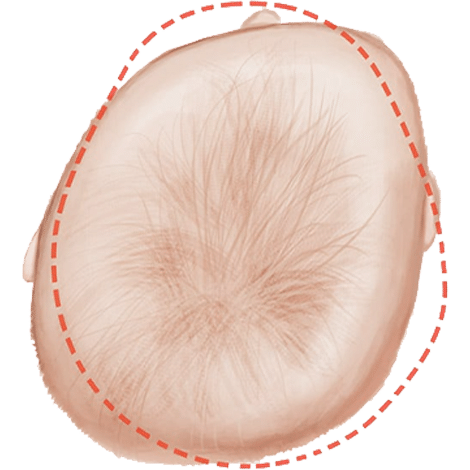
What Is Plagiocephaly?
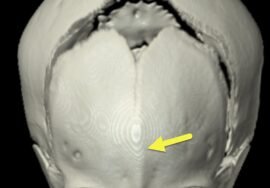
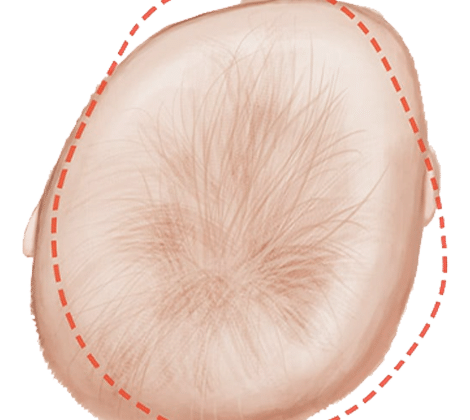
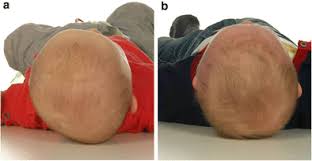
Plagiocephaly refers to an asymmetrical flattening of the skull. In simpler terms, one side of the back of the head becomes flat, which makes the head look uneven from above.
Key features of plagiocephaly
- One side of the back of the head is flattened
- The head may look like a parallelogram from a top view
- One ear may appear pushed forward
- The forehead on the same side may look more prominent
- Facial asymmetry may develop in some cases
As a result, the head shape appears skewed rather than balanced.
What Causes Plagiocephaly?
Plagiocephaly usually develops due to repeated pressure on the same area of the head. In most cases, it is positional rather than structural.
Common causes include:
- Sleeping in the same position for long periods
- Preferring one side when turning the head
- Limited neck movement (torticollis)
- Spending long time in car seats or strollers
- Premature birth and limited early movement
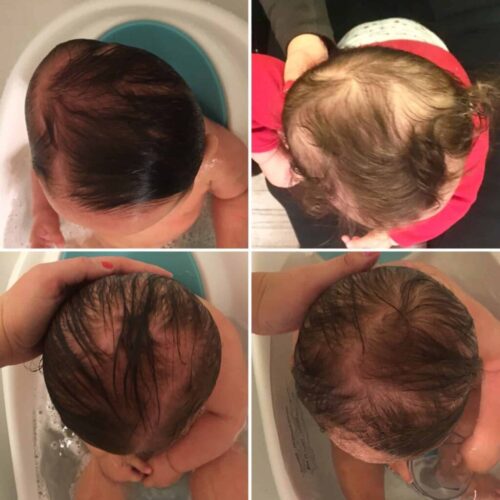
In particular, torticollis plays a major role because tight neck muscles prevent the baby from turning the head equally in both directions.
What Is Brachycephaly?
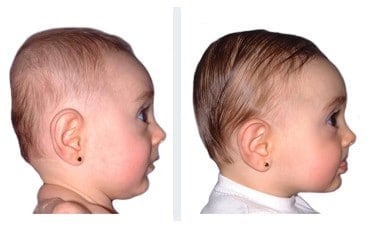
In contrast, brachycephaly refers to symmetrical flattening of the back of the head. This means both sides are flattened equally.
As a result, the head becomes wider and shorter from front to back.
Key features of brachycephaly
- Flattening across the entire back of the head
- Head appears wide and short
- Increased width from side to side
- Forehead may appear slightly prominent
- Usually no major facial asymmetry
Therefore, the head shape remains symmetrical but changes proportion.
If you notice head flattening or asymmetry, consult a pediatrician for a free evaluation.
What Causes Brachycephaly?
Like plagiocephaly, brachycephaly is usually positional.
Common causes include:
- Prolonged back-sleeping position
- Limited tummy time during awake periods
- Long periods in car seats or swings
- Reduced movement in early infancy
- Multiple births (twins or triplets)
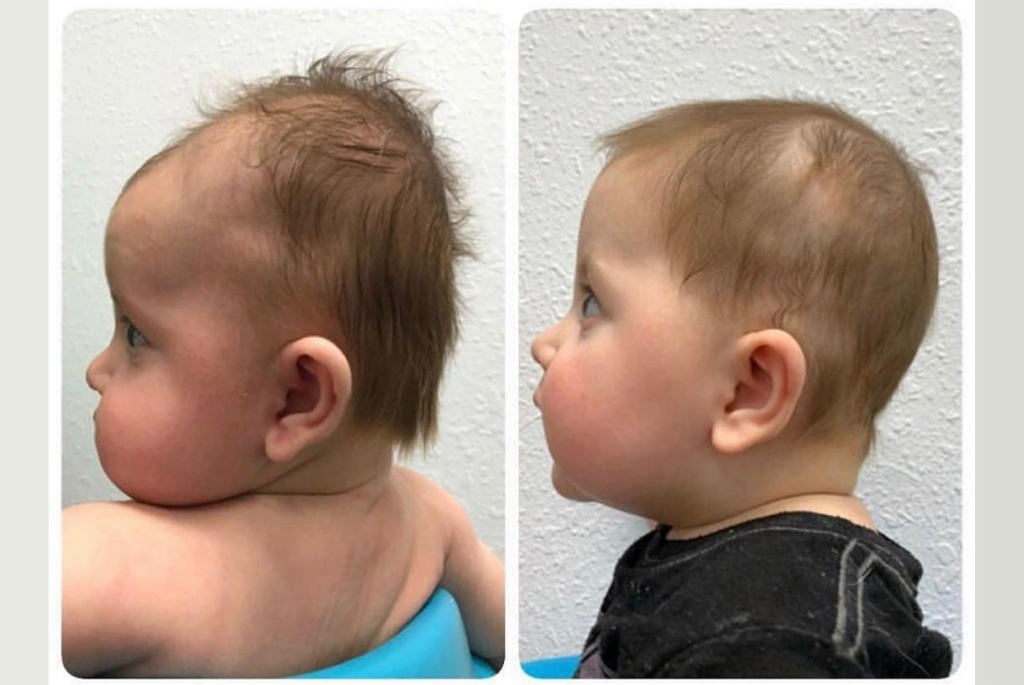
Because of these factors, pressure remains evenly distributed on the back of the head, leading to symmetrical flattening.
Plagiocephaly vs Brachycephaly: Key Differences
Although both conditions are forms of flat head syndrome, the main difference lies in the pattern of flattening.
Shape difference
- Plagiocephaly: Asymmetrical flattening on one side
- Brachycephaly: Symmetrical flattening across the back
Head appearance
- Plagiocephaly → Skewed or uneven head shape
- Brachycephaly → Wide and short head shape
Facial changes
- Plagiocephaly → May cause facial asymmetry and ear misalignment
- Brachycephaly → Usually minimal facial changes
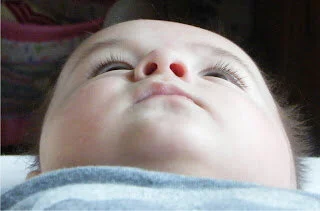
Therefore, the distinction is mainly based on symmetry.
Are Plagiocephaly and Brachycephaly Dangerous?
Generally, both conditions are not dangerous and do not affect brain growth or intelligence. However, they should not be ignored.
If left untreated in moderate or severe cases, they may lead to:
- Persistent head shape asymmetry
- Facial imbalance over time
- Neck tightness (especially in plagiocephaly)
- Worsening during rapid growth phases

For this reason, early evaluation is always recommended.
If you notice head flattening or asymmetry, consult a pediatrician for a free evaluation.
How Are Plagiocephaly And Brachycephaly Diagnosed?
Diagnosis is usually simple and based on physical examination.
A specialist typically checks:
- Head shape from above and side views
- Neck movement and muscle tightness
- Facial and ear symmetry
- Developmental milestones
In some cases, 3D scanning or imaging may be used for more precise measurement, especially when helmet therapy is considered.
Treatment Options for Plagiocephaly And Brachycephaly
Treatment depends on age, severity, and underlying cause. Importantly, early treatment leads to better outcomes.
1. Repositioning Therapy
First, mild cases are treated with repositioning techniques such as:
- Changing head position during sleep (safely)
- Increasing tummy time while awake
- Alternating feeding positions
- Reducing time in carriers and car seats
As a result, pressure is reduced on the flattened area.
2.Physical Therapy For Plagiocephaly Treatment in Egypt
If there is neck tightness or torticollis, physical therapy becomes essential.
It helps to:
- Improve neck flexibility
- Correct head preference
- Strengthen muscles
- Promote symmetrical movement
Consequently, head shape improves more effectively.
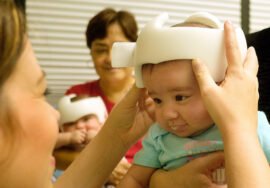
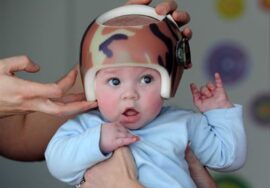
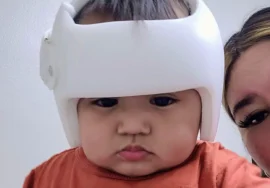
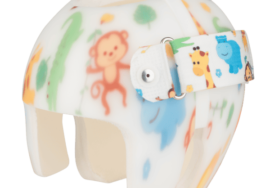
3. Helmet Therapy In Cairo
For moderate to severe cases, helmet therapy may be recommended.
The helmet:
- Guides natural skull growth
- Improves symmetry over time
- Works best between 4–12 months of age

However, it does not force the skull; instead, it gently directs growth.
Can Plagiocephaly And Brachycephaly Improve Naturally?
moderate and severe cases may not fully correct without treatment.
When Should Parents Seek Help?
Parents should seek medical advice if they notice:
- Uneven head shape
- Worsening flat spot
- Head not improving with time
- Preference for one head position
- Visible facial or ear asymmetry
In these situations, early assessment is very important.
Prevention Tips for Plagiocephaly And Brachycephaly
Although not all cases can be prevented, several steps can reduce risk:
- Encourage regular tummy time
- Change head position frequently during sleep (safely)
- Avoid long periods in car seats or swings
- Encourage movement to both sides
- Attend regular pediatric checkups
Conclusion
In conclusion, plagiocephaly and brachycephaly are two common forms of flat head syndrome in infants. While they may look similar, they differ in shape and pattern.
Plagiocephaly affects one side of the head, whereas brachycephaly affects the entire back symmetrically. Fortunately, both conditions are usually treatable, especially when detected early.
Therefore, early recognition, proper positioning, physical therapy, and in some cases helmet therapy can significantly improve head shape and long-term outcomes.
If parents notice any abnormal head shape, early consultation with a specialist is the most important step for healthy skull development.
If you notice head flattening or asymmetry, consult a pediatrician for a free evaluation.
Helmet therapy effectively helps correct infant head flattening and facial asymmetry. Starting treatment early is one of the most important factors for success, as it supports restoring symmetry and improving head and facial shape. At Al Rowad Center, we are committed to providing the highest standard of medical care for you and your child through experienced specialists and advanced techniques to ensure safe and effective results.
Do not wait until the condition worsens, as every day during the first months of a child’s life is very important.

Early intervention is the key factor in preventing permanent deformities that may affect a child’s future growth and self-confidence. Head shape correction relies on the latest safe and effective medical approaches to ensure visible results without any health risks, giving your child the best chance for normal growth and a balanced head shape. Because your child’s health and well-being are our top priority, we are your partners on this journey.
Why do parents trust us?
Safe, non-surgical treatment plans
Monthly follow-up and continuous growth assessment
Full psychological and parental support and guidance
Long-lasting results with no side effects
Early treatment can restore your child’s natural head shape and help prevent future complications.
Do not miss the opportunity to receive high-quality medical care, and start your journey to full recovery with Al Rowad Center.
Book your free assessment NOW.
Call us directly: 01044299365
Or book through our website
Flexible appointments – specialized medical team – completely free consultation
Your decision today means comfort and safety for your child tomorrow.
Do not let doubts delay you. Take the right step now, start early treatment, and give your child the chance for healthy growth and a natural head shape.
Your child deserves the best… start today!