

Plagiocephaly Treatment in Cairo | Expert Baby Head Shape Correction & Safe Care at Al Rowad Center
Plagiocephaly Treatment in Cairo | Expert Baby Head Shape Correction & Safe Care at Al Rowad Center
Discovering that your baby has a flat spot on the head can be worrying for any parent. Many families begin searching online for answers, asking questions such as: “Can plagiocephaly be corrected?”, “Does my baby need a helmet?”, and “Where can I find plagiocephaly treatment in Cairo?”
The good news is that most cases of plagiocephaly can be successfully treated when identified early and managed by experienced specialists. With proper assessment and treatment, many infants achieve significant improvement in head shape during their first years of life.
In this guide, we explain what plagiocephaly is, its causes, treatment options, and why many families choose Al Rowad Center for plagiocephaly treatment in Cairo.
What Is Plagiocephaly?
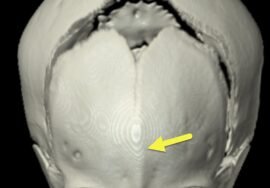
Plagiocephaly, commonly known as flat head syndrome, occurs when an infant develops a flattened area on one side or the back of the head.
Because a baby’s skull is soft and rapidly growing during the first months of life, prolonged pressure on one area can gradually change the shape of the head.
Plagiocephaly is very common and has become more frequently diagnosed since parents were encouraged to place babies on their backs for sleep to reduce the risk of Sudden Infant Death Syndrome (SIDS).
Although plagiocephaly usually does not affect brain development, it can affect head shape and facial symmetry if left untreated.
What Causes Plagiocephaly?
Several factors may increase the risk of developing plagiocephaly:
Sleeping in One Position
Babies who consistently rest with their head turned to the same side may develop flattening over time.
Torticollis
Torticollis is a condition in which neck muscles become tight, making it difficult for a baby to turn the head equally in both directions.
This is one of the most common causes of persistent plagiocephaly.
Premature Birth
Premature infants often have softer skull bones and may spend extended periods in neonatal care units, increasing pressure on certain areas of the head.
Limited Tummy Time
Babies who spend little time on their tummy while awake may develop positional preferences that contribute to flattening.
Multiple Births
Twins and triplets may have restricted space in the womb, increasing the likelihood of skull shape changes before birth.
How Can Parents Recognize Plagiocephaly?
Common signs include:
- Flattening on one side of the back of the head
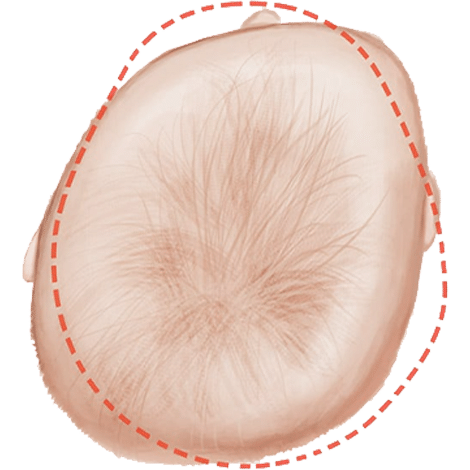
- Uneven head shape when viewed from above
- One ear appearing farther forward than the other
- Facial asymmetry
- Preference for turning the head to one side
- Visible flattening despite normal growth
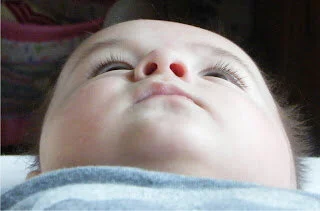
If you notice any of these signs, early evaluation is recommended.
If you notice head flattening or asymmetry, consult a pediatrician for a free evaluation.
When Should Plagiocephaly Treatment Begin?
Early intervention provides the best opportunity for correction.
The first year of life is the most important period because the skull grows rapidly during this time.
Many specialists recommend evaluation as soon as flattening is noticed rather than waiting to see if it improves on its own.
The earlier treatment begins, the greater the potential for improvement and the lower the likelihood that more intensive treatment will be required later.
Treatment Options for Plagiocephaly n Cairo
Treatment depends on the baby’s age, severity of flattening, and underlying causes.
Repositioning Techniques
For mild cases, parents may be instructed to:
- Encourage head turning to both sides
- Alternate feeding positions
- Increase supervised tummy time
- Reduce prolonged pressure on the flattened area
These strategies can be highly effective when started early.
Physical Therapy For Plagiocephaly Treatment in Egypt
When plagiocephaly is associated with torticollis or muscle imbalance, physical therapy plays an essential role.
A specialized program may help:
- Improve neck mobility
- Strengthen muscles
- Promote symmetrical movement
- Reduce positional preference
- Support normal motor development
Cranial Remolding Helmet Therapy n Cairo
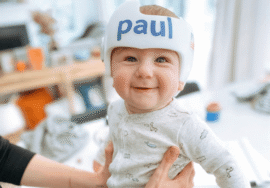
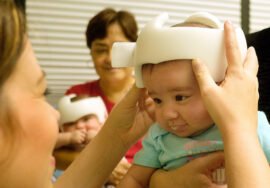
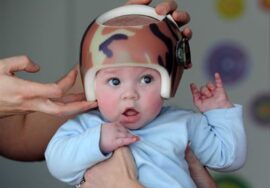
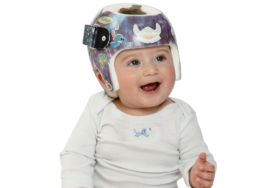
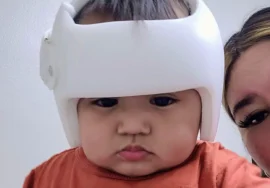
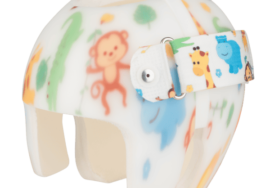
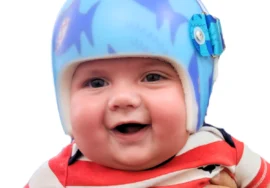
For moderate to severe cases, a custom cranial helmet may be recommended.
Helmet therapy works by guiding natural skull growth into a more symmetrical shape.
The treatment is most effective during periods of rapid skull growth, typically between 4 and 12 months of age.
A detailed assessment is required to determine whether helmet therapy is appropriate for each child.
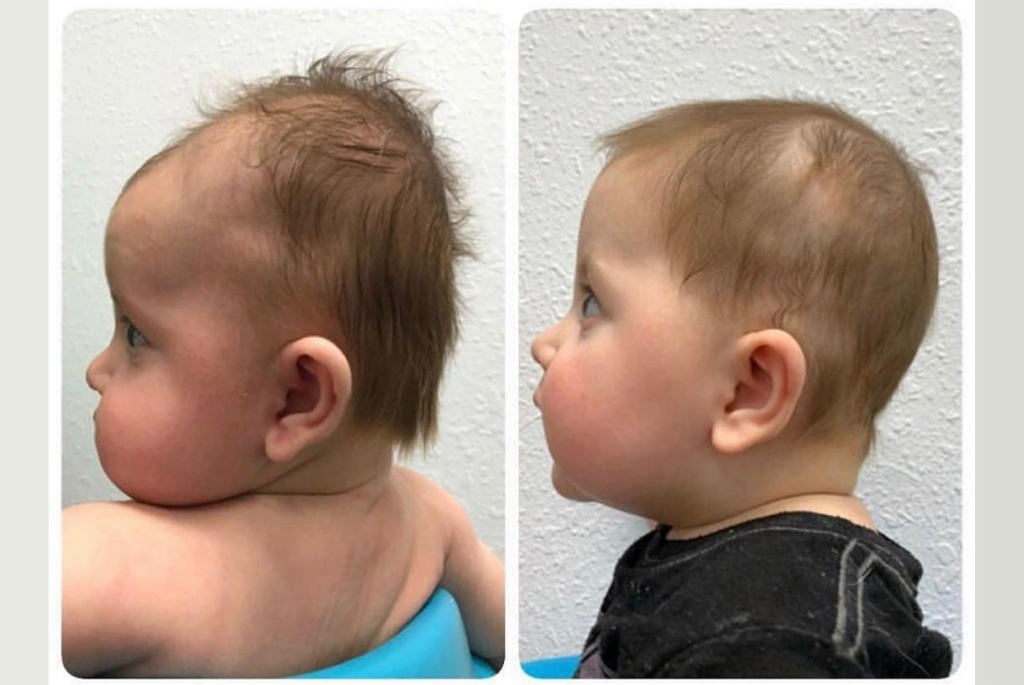
Does Every Baby With Plagiocephaly Need a Helmet?
Helmet therapy is usually considered when:
- Flattening is moderate or severe
- Improvement is limited despite conservative treatment
- The child is at an age where helmet treatment can still be effective
A comprehensive evaluation helps determine the best treatment approach.
Why Early Assessment For Plagiocephaly Matters
One of the biggest mistakes parents make is assuming that all flat spots will disappear automatically.
While some mild cases improve with growth, others may persist and become more noticeable over time.
Early assessment allows specialists to:
- Identify the cause of flattening
- Measure severity accurately
- Monitor progress
- Recommend the most effective treatment plan
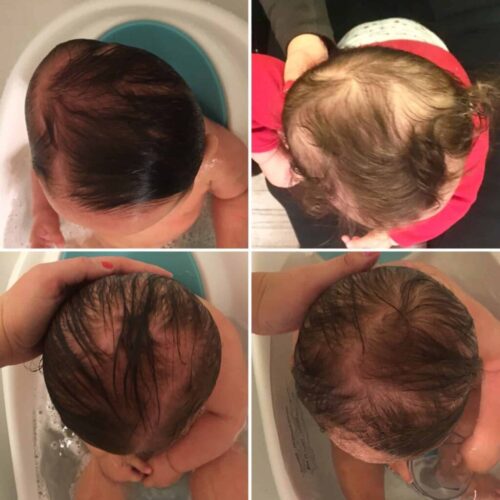
This approach helps families make informed decisions and avoid unnecessary delays.
If you notice head flattening or asymmetry, consult a pediatrician for a free evaluation.
Plagiocephaly Treatment at Al Rowad Center in Cairo
Al Rowad Center has become a destination for many families seeking specialized care for plagiocephaly and infant head shape abnormalities in Cairo.
The center focuses on comprehensive assessment and evidence-based treatment approaches designed specifically for infants and young children.
Plagiocephaly Treatment at Al Rowad Center in Cairo
Specialized Evaluation
Every child undergoes a detailed assessment to determine:
- Head shape characteristics
- Severity of plagiocephaly
- Presence of torticollis
- Developmental considerations
- Appropriate treatment options
Individualized Treatment Plans
Because every child is different, treatment plans are tailored according to the baby’s age, severity, and growth stage.
Family Education
Parents receive guidance on:
- Positioning strategies
- Home exercises
- Tummy time recommendations
- Monitoring progress
Education plays a critical role in achieving successful outcomes.
Follow-Up and Monitoring
Regular follow-up appointments allow specialists to track improvement and adjust treatment plans when necessary.
Frequently Asked Questions About Plagiocephaly Treatment
Can plagiocephaly correct itself?
not all cases resolve completely without intervention.
Does plagiocephaly affect brain development?
Positional plagiocephaly generally does not affect brain growth or intelligence.
At what age should plagiocephaly be evaluated?
Parents should seek evaluation as soon as flattening is noticed, ideally during the first few months of life.
Is helmet therapy safe?
When prescribed and monitored by qualified professionals, cranial helmet therapy is considered a safe and effective treatment option for appropriate candidates.
How long does treatment take n Cairo?
Treatment duration varies depending on age, severity, and the selected treatment method. Early treatment often produces faster and more predictable results.

Conclusion
Plagiocephaly is a common condition that can often be successfully managed when identified early. Whether treatment involves repositioning, physical therapy, helmet therapy, or a combination of approaches, early assessment remains the key to achieving the best possible outcome.
For parents searching for plagiocephaly treatment in Cairo, obtaining a professional evaluation is the first and most important step. With timely intervention and expert guidance, many infants experience significant improvement in head shape and symmetry during the critical months of growth.
Al Rowad Center provides specialized assessment, individualized treatment plans, and ongoing support for families seeking comprehensive plagiocephaly care in Cairo.
If you notice head flattening or asymmetry, consult a pediatrician for a free evaluation.
Helmet therapy effectively helps correct infant head flattening and facial asymmetry. Starting treatment early is one of the most important factors for success, as it supports restoring symmetry and improving head and facial shape. At Al Rowad Center, we are committed to providing the highest standard of medical care for you and your child through experienced specialists and advanced techniques to ensure safe and effective results.
Do not wait until the condition worsens, as every day during the first months of a child’s life is very important.

Early intervention is the key factor in preventing permanent deformities that may affect a child’s future growth and self-confidence. Head shape correction relies on the latest safe and effective medical approaches to ensure visible results without any health risks, giving your child the best chance for normal growth and a balanced head shape. Because your child’s health and well-being are our top priority, we are your partners on this journey.
Why do parents trust us?
Safe, non-surgical treatment plans
Monthly follow-up and continuous growth assessment
Full psychological and parental support and guidance
Long-lasting results with no side effects
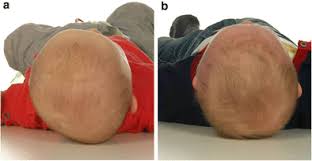
Early treatment can restore your child’s natural head shape and help prevent future complications.
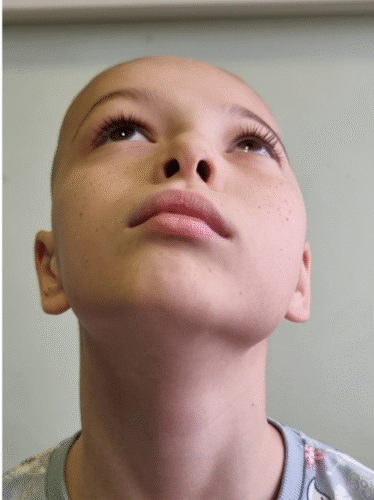

Do not miss the opportunity to receive high-quality medical care, and start your journey to full recovery with Al Rowad Center.
Book your free assessment NOW.
Call us directly: 01044299365
Or book through our website
Flexible appointments – specialized medical team – completely free consultation
Your decision today means comfort and safety for your child tomorrow.
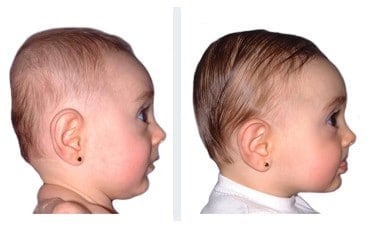
Do not let doubts delay you. Take the right step now, start early treatment, and give your child the chance for healthy growth and a natural head shape.
Your child deserves the best… start today!