

Best Schroth Therapy Clinic in Egypt | Non-Surgical Scoliosis Treatment at Al Rowad Center
Best Schroth Therapy Clinic in Egypt | Non-Surgical Scoliosis Treatment at Al Rowad Center
When a child or teenager is diagnosed with scoliosis, one of the first questions families ask is: “Can scoliosis be treated without surgery?” As parents search for effective non-surgical treatment options, they often come across Schroth Exercises, one of the most recognized scoliosis-specific exercise methods used worldwide.
But what exactly are Schroth Exercises? Do they really help scoliosis? Are they available in Egypt? And why do many families choose Al Rowad Center for scoliosis assessment and Schroth-based treatment programs?
In this comprehensive guide, we answer the most common questions parents and patients ask about Schroth Exercises in Egypt and explain how this specialized approach may help manage scoliosis during growth.
What Are Schroth Exercises?
Schroth Exercises are a specialized physical therapy method developed in Germany specifically for individuals with scoliosis.
Unlike traditional exercise programs that focus mainly on strengthening muscles, the Schroth Method is designed to address the three-dimensional nature of scoliosis. The exercises aim to improve spinal alignment, reduce postural imbalance, enhance breathing mechanics, and help patients develop better body awareness.
Today, Schroth-based therapy is widely used around the world as part of a comprehensive non-surgical scoliosis treatment plan.
Can Schroth Exercises Help Treat Scoliosis?
One of the most common concerns among parents is whether exercises can actually make a difference.
While every scoliosis case is unique, Schroth Exercises may help:
- Improve posture and body alignment.
- Reduce visible asymmetry.
- Improve trunk balance.
- Enhance breathing function.
- Support spinal stability.
- Reduce discomfort in some patients.
- Improve brace treatment outcomes.
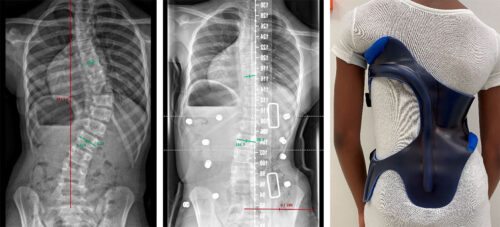
- Help limit curve progression when combined with appropriate medical management.
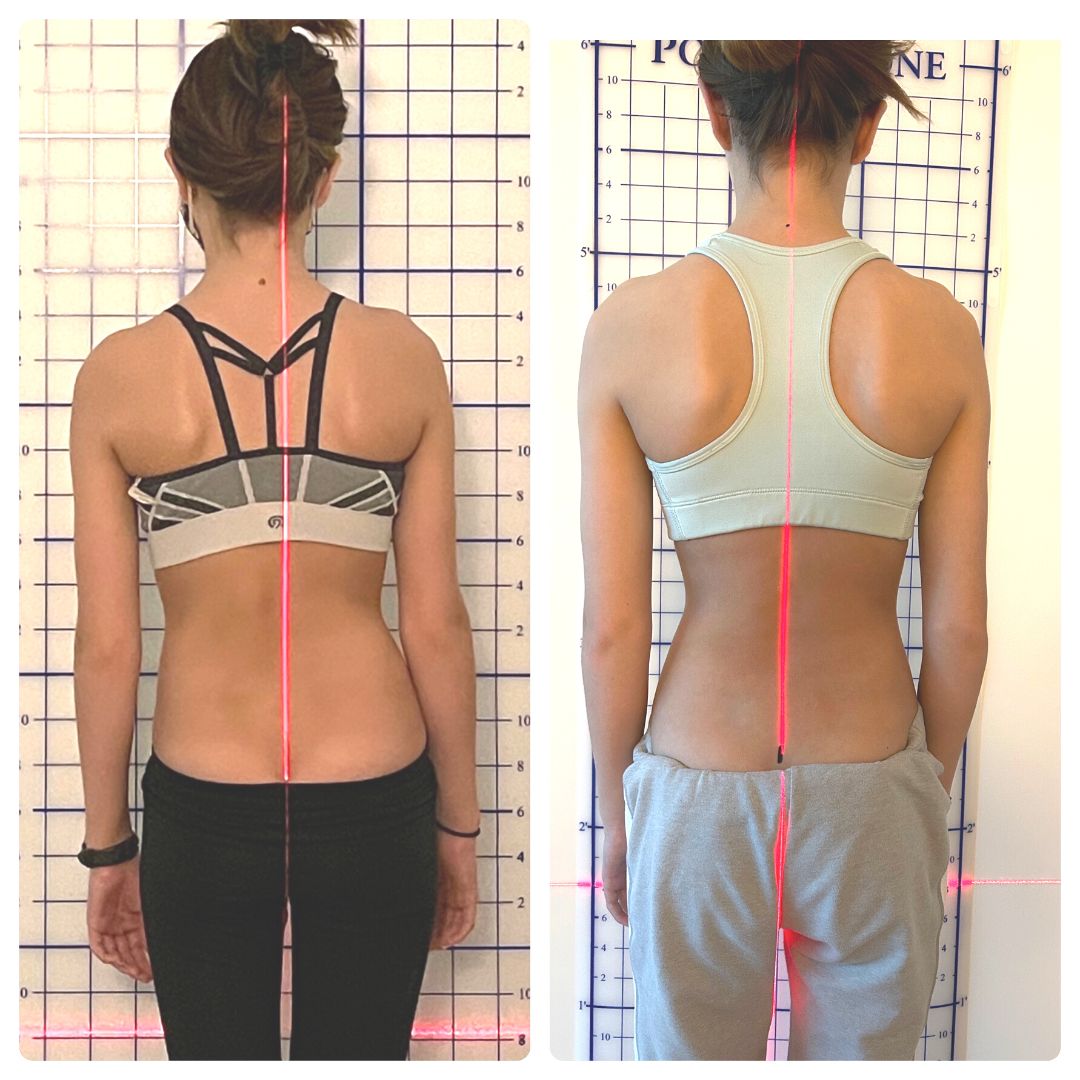
The goal of Schroth therapy is not simply exercise. It is a highly individualized treatment approach designed to help patients actively manage their scoliosis.
How Do Schroth Exercises Work?
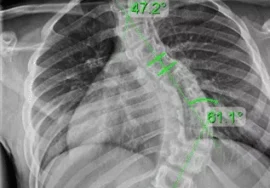
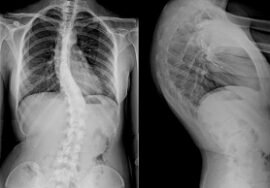
Scoliosis affects the spine in three dimensions, including sideways curvature, vertebral rotation, and postural imbalance.
The Schroth Method focuses on three primary components:
Postural Correction
Patients learn how to position their bodies in ways that counteract their specific curve pattern.
Rotational Breathing
One of the unique features of the Schroth Method is a specialized breathing technique designed to expand compressed areas of the rib cage and improve symmetry.
Individualized Exercises
Every exercise program is customized according to the patient’s specific scoliosis pattern, curve location, age, and treatment goals.
Because no two scoliosis cases are exactly alike, personalized treatment is essential.
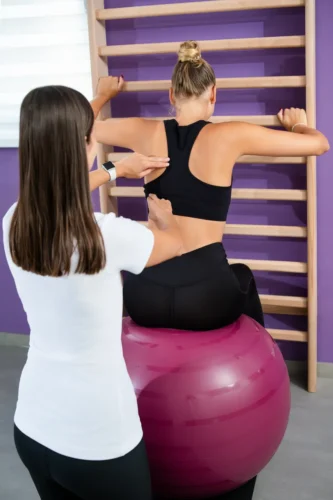
Who Can Benefit from Schroth Exercises?
Schroth therapy may be appropriate for:
- Children with scoliosis.
- Adolescents with idiopathic scoliosis.
- Patients wearing scoliosis braces.
- Adults living with scoliosis.
- Individuals seeking non-surgical treatment options.
- Patients looking to improve posture and body symmetry.
A scoliosis specialist can determine whether Schroth therapy is suitable after a complete evaluation.
If you notice signs of spinal curvature or asymmetry in your child, seek a free specialist consultation NOW.
What Is the Best Age to Start Schroth Exercises?
Early intervention is often one of the most important factors in scoliosis management.
Many patients benefit from starting Schroth therapy as soon as scoliosis is diagnosed, particularly during periods of active growth when the spine is still developing.
Early treatment may help improve postural habits, increase body awareness, and support other treatment strategies.
Can Schroth Exercises Be Combined with a Scoliosis Brace?
Yes.
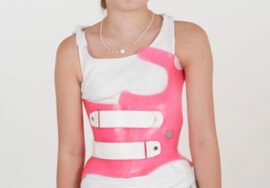
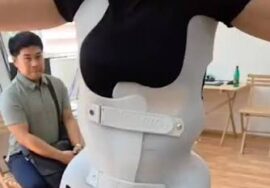
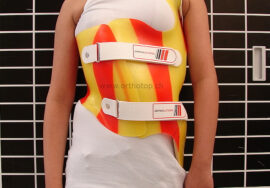
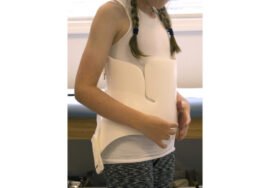
In fact, many scoliosis specialists recommend combining Schroth Exercises with brace treatment when appropriate.
While a scoliosis brace helps guide spinal growth and control curve progression, Schroth Exercises can help:
- Improve muscular support.
- Enhance postural correction.
- Improve balance and coordination.
- Increase body awareness.
- Support brace effectiveness.

This combination often provides a more comprehensive non-surgical treatment approach.
Are Schroth Exercises Painful?
No.
Schroth therapy is generally well tolerated by children, teenagers, and adults.
Patients may need time to learn the specialized positions and breathing techniques, but the exercises are adapted to each individual’s physical abilities and treatment needs.
Most patients gradually become more comfortable as they gain experience with the program.
How Long Does Schroth Treatment Take?
Treatment duration varies depending on several factors, including:
- Patient age.
- Curve severity.
- Growth potential.
- Treatment goals.
- Consistency with home exercises.
- Whether brace treatment is also being used.
Most patients attend regular therapy sessions while continuing individualized exercises at home to maximize results.
Are Schroth Exercises Available in Egypt?
Yes.
As awareness of scoliosis treatment continues to grow, Schroth-based rehabilitation programs have become increasingly available in Egypt through specialized scoliosis centers.
However, successful treatment requires more than simply performing exercises. Proper assessment, individualized planning, and ongoing monitoring are essential for achieving the best possible outcomes.
For this reason, families should seek care from professionals experienced in scoliosis-specific rehabilitation.
Why Do Families Choose Al Rowad Center for Schroth Exercises in Egypt?
Families searching for Schroth Exercises in Egypt often want more than a standard physical therapy program. They want a specialized approach that addresses the unique nature of scoliosis and provides long-term support throughout treatment.
Al Rowad Center specializes in the assessment and non-surgical management of scoliosis in children and adolescents. The center offers comprehensive evaluations designed to identify curve patterns, assess growth potential, and develop personalized treatment plans.
At Al Rowad Center, families benefit from:
- Comprehensive scoliosis evaluations.
- Detailed postural and spinal assessments.
- Individualized Schroth exercise programs.
- Specialized scoliosis physical therapy.
- Scoliosis brace management when indicated.
- Regular progress monitoring.
- Family education and ongoing support.
Because every scoliosis patient is unique, treatment plans are customized according to the patient’s specific curve pattern, age, and treatment goals.

If you notice signs of spinal curvature or asymmetry in your child, seek a free specialist consultation NOW.
When Should Parents Seek a Scoliosis Evaluation?
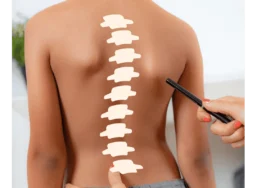
Parents should consider scheduling an evaluation if they notice:
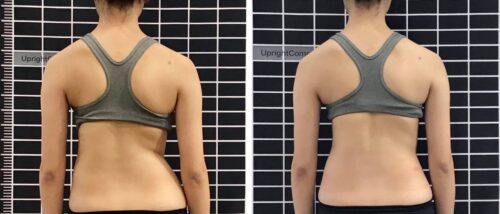
- Uneven shoulders.
- Uneven hips.
- Rib prominence.
- An asymmetrical waistline.
- Leaning to one side.
- Visible changes in posture.
- A family history of scoliosis.
Early evaluation often provides the greatest opportunity to manage scoliosis effectively and reduce the risk of progression.
Final Thoughts
Schroth Exercises are among the most widely recognized scoliosis-specific treatment methods available today. By combining postural correction, specialized breathing techniques, and individualized exercise programs, Schroth therapy can play an important role in non-surgical scoliosis management.
For many patients, the best outcomes occur when treatment begins early and is guided by experienced scoliosis specialists. At Al Rowad Center, children and adolescents receive comprehensive scoliosis evaluations, personalized Schroth-based rehabilitation programs, and ongoing support designed to help them achieve the best possible spinal health during their growth years.
If you notice signs of scoliosis in your child, seeking early professional evaluation may be one of the most important steps toward protecting their posture, spinal health, and future quality of life
Scoliosis is a progressive condition that may need treatment at different stages of life. Doctors use classification systems to create personalized plans, starting with non-surgical treatment when possible and surgery only when necessary.